
Can You DIY a Bathroom Remodel? Where Homeowners Get Into Trouble
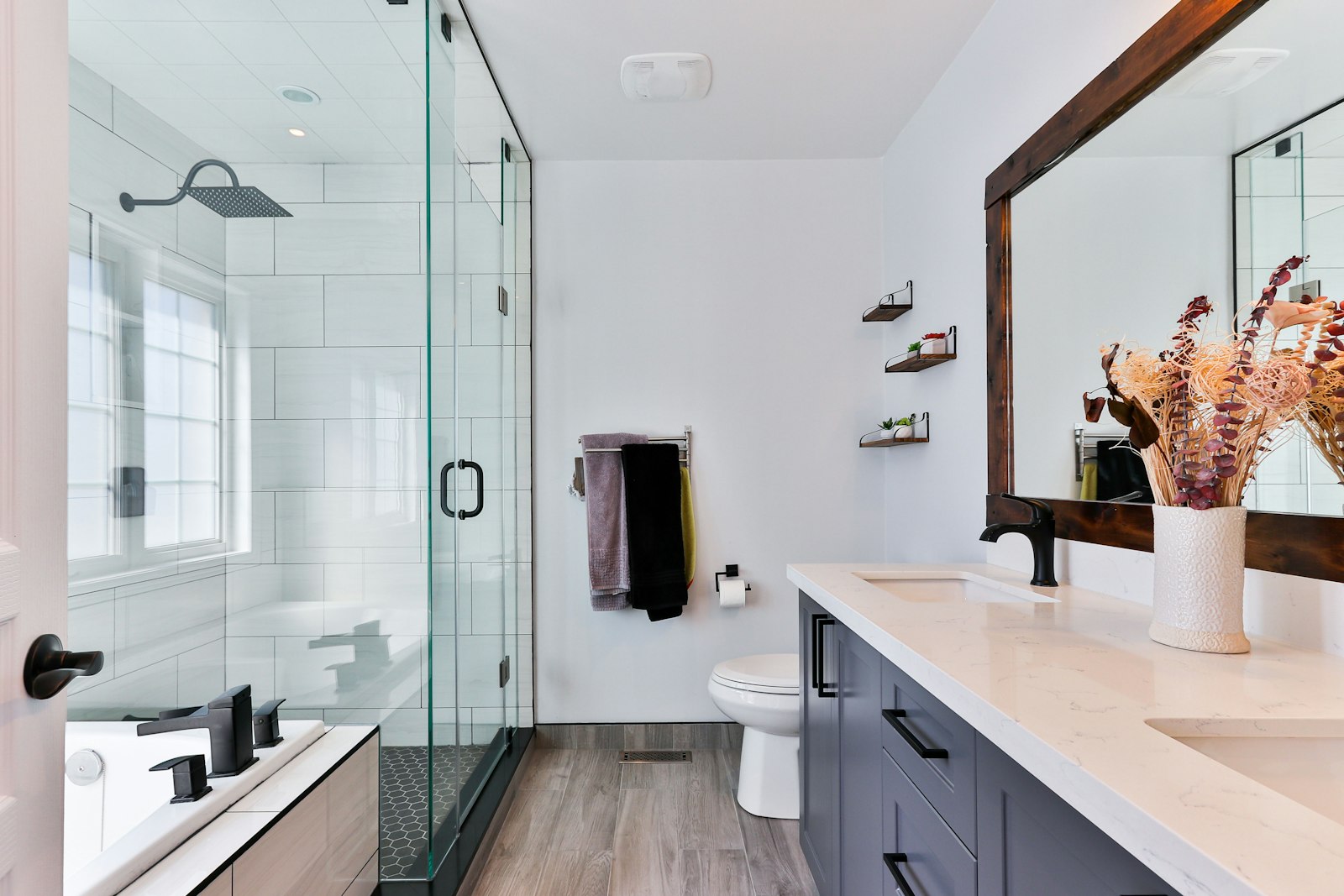
A bathroom remodel is one of the most common DIY projects homeowners across Tampa, St. Petersburg, Clearwater, Lutz, and Brandon consider tackling themselves. Between weekend tutorials and a genuine desire to save money, it's an understandable instinct. And to be fair, some of it is well within reach for a handy homeowner. But a bathroom is also one of the easiest rooms in the house to get expensive and wrong, because it packs plumbing, electrical work, and waterproofing into a small, humid space where mistakes rarely stay hidden for long.
Why Homeowners Try DIY First
The appeal is straightforward: doing the work yourself feels like it should cost less, and there's real satisfaction in finishing a project with your own hands. Painting, swapping hardware, and updating accessories are genuinely good candidates for a DIY weekend. The trouble starts when homeowners apply that same confidence to the parts of a bathroom remodel that involve moving water, electricity, or structure around — jobs where a small mistake doesn't show up until months later, usually as a stain on the ceiling below.
Where DIY Bathroom Remodels Go Wrong
These are the trouble spots we see most often when a DIY bathroom project gets handed to us to fix or finish:
Waterproofing shortcuts around the shower or tub that lead to hidden leaks and mold behind the wall
Electrical work done without the grounding or GFCI protection required so close to water
Plumbing rerouted in a way that violates code or leaves the drain sloped incorrectly
Tile and shower pan installation that looks fine on day one but fails within a year or two
Permits skipped on work that legally requires one, which surfaces later during a home sale or inspection
The Permit Question
Most bathroom remodels that touch electrical, plumbing, or structural elements require a permit in Tampa and the surrounding Hillsborough and Pinellas county areas. It's one of the most commonly skipped steps in a DIY remodel, and it's also one of the ones that causes the most headaches down the road — unpermitted work often has to be disclosed when you sell the home, and in some cases it has to be opened back up and corrected before it can be signed off on. When you work with Lanic Corp, we handle the permitting process for you as part of every project that requires one, so it's one less thing you have to track down yourself.
What You Can Safely DIY vs. What to Leave to a Pro
Not every part of a bathroom remodel needs a licensed contractor. Here's a general way to think about where the line is:
Good DIY candidates: painting, cabinet hardware, mirrors and accessories, caulk touch-ups, and swapping a light fixture if you're already comfortable with basic electrical
Best left to a licensed pro: shower pan and waterproofing installation, moving or adding plumbing lines, any work on load-bearing walls, and anything that requires pulling a permit
When It's Time to Call a Licensed Contractor
If your project involves more than one of these systems at once — say, moving a vanity's plumbing and adding new lighting in the same remodel — that's usually the point where it makes sense to bring in a licensed general contractor rather than coordinate the work yourself. It's also worth a call if you're not sure whether your project needs a permit in the first place; getting that wrong is one of the most common and most costly DIY mistakes we see.
Not sure whether your bathroom project is a DIY job or one that needs a licensed pro? Lanic Corp offers a free design consultation to walk through your space and give you a straight answer — no pressure, no guesswork. Call us at (813) 408-4732 or reach out through our site to get started.
Comments